Industry Outlook: Challenges for the Food Industry in Thailand
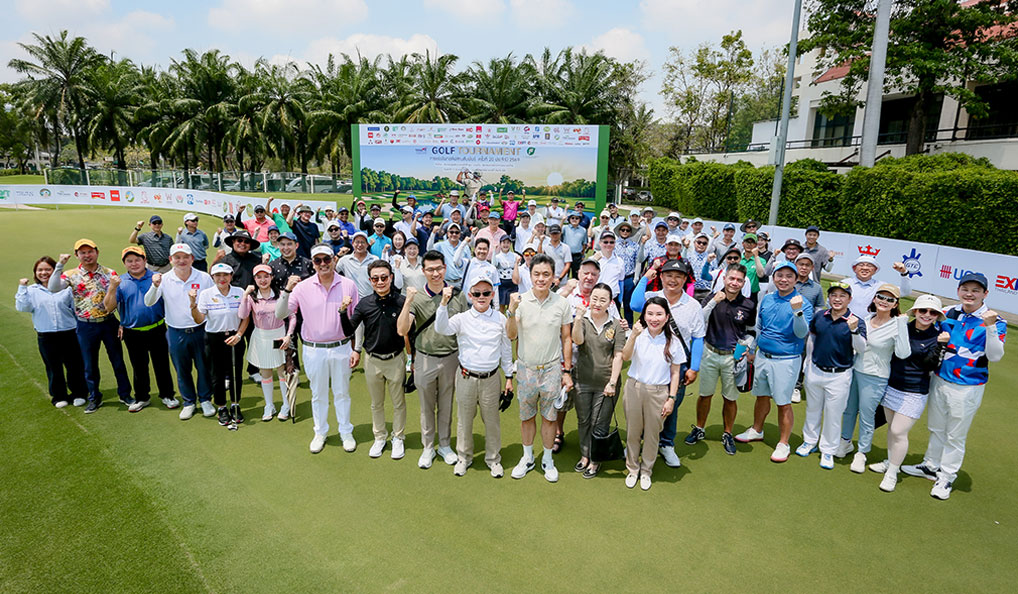
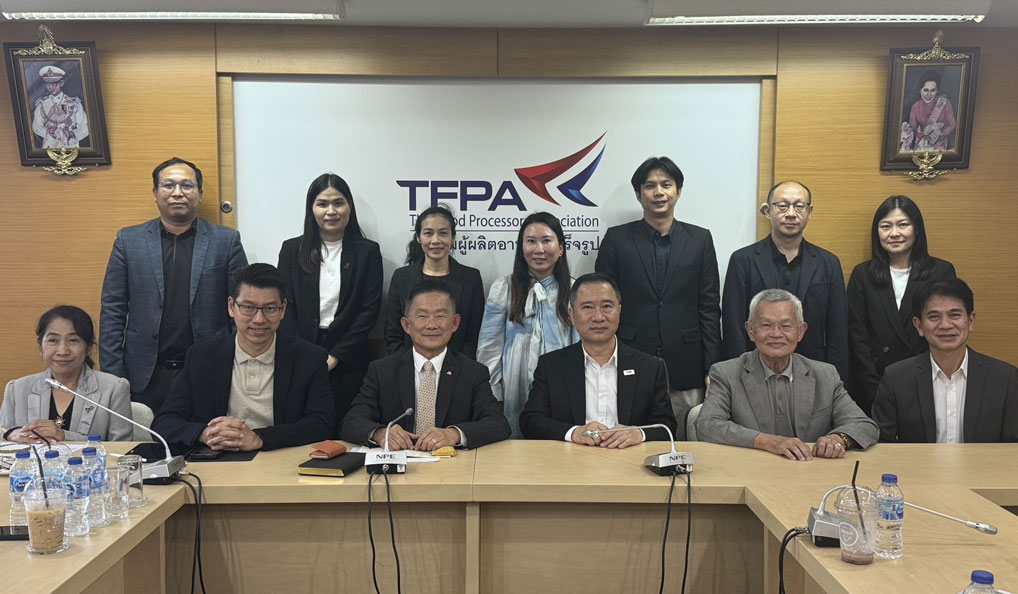
For almost half a century ago, the Thai food processing industry has continually and constantly grown especially the food export sector. This actually results from extreme promotion and supports of the government sector as well as collaborations among Thai packers; one of the obvious evidence is the establishment of “Thai Food Processors’ Association” (TFPA) whose 40th anniversary is taking place this year.
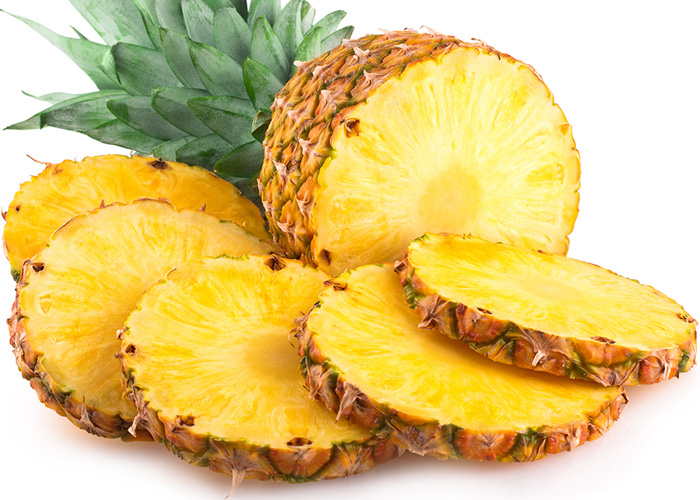
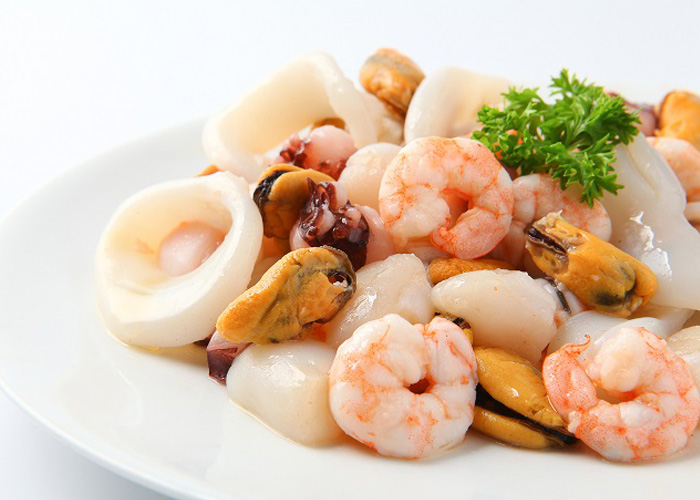
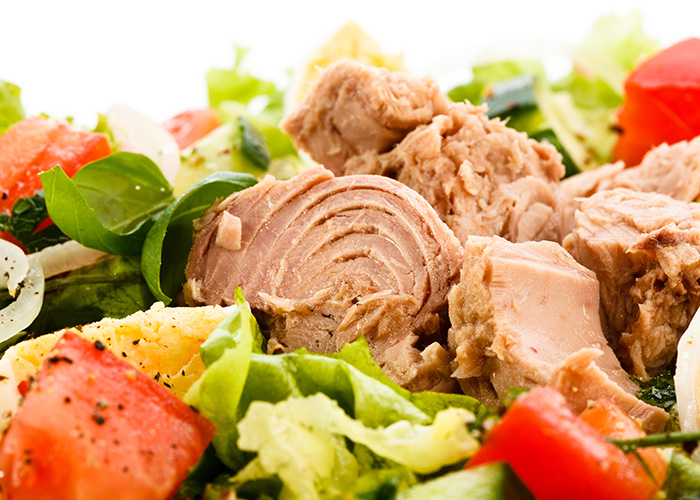
Early history of TFPA was the gathering among fruit & vegetables and pineapples packers to form the association, then here came joining after the group of seafood, tuna, sweet corn, and ingredient / ready-to-eat. This can be claimed that TFPA is one of the oldest trading associations in the food industry. TFPA’s roles are to enhance the competitive advantages of its members, be the trade representatives, disseminate essential information to government agencies and among its members necessary for free trade competition including trading trends, essential rules and regulations. However, TFPA’s further roles would be sustainable development of Thai food processing industry.
• Sustainable Growth throughout the Supply Chain
Competition in the world markets has drastically changed from the past decades i.e. rules and regulations have been changed from focusing exclusively on tax and duties to considerably the development of trade burdens such as food safety standards and other environmental concerns. On the other hand, such burdens can be also regarded as the opportunities to enhance our packers’ production potential. In this case, current or future issues on those non tariff barriers would come into account whenever the sustainable development of the food industry has been mentioned.
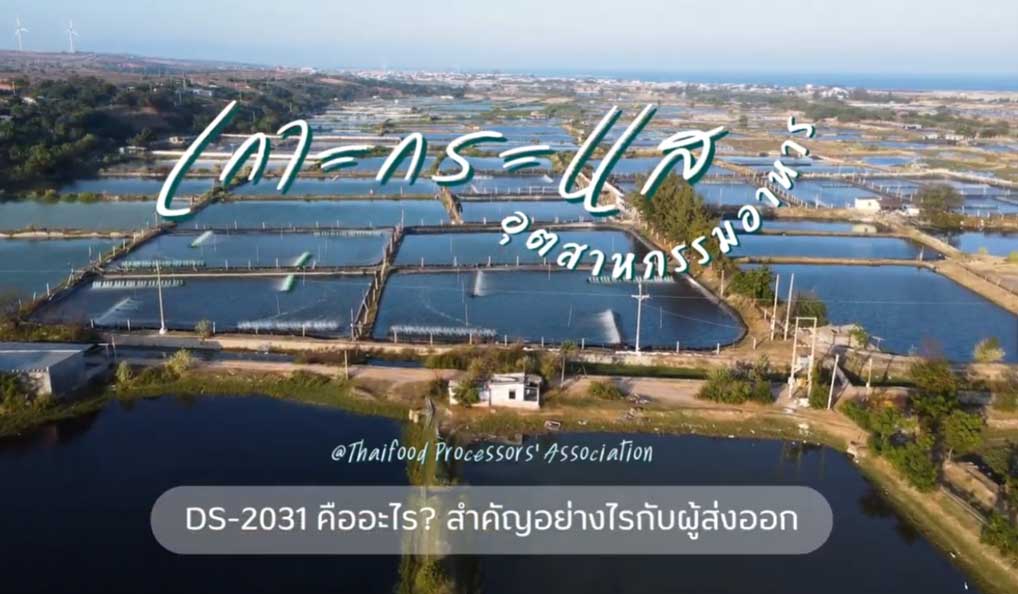
Consideration of sustainable development in the food industry must determine throughout the supply chain into account as from cultivation to processing, then transportation, and finished product delivering into the hands of the consumers. Significant area urgently needed to be addressed is the farming development or sourcing sufficient raw material for food production process since this would have crucial impact on manufacturing costs, appropriate trade measurements, and the competitive advantage of Thailand. The agricultural sector should improve its production yield per land unit, while simultaneously reducing the use of chemicals, pesticides, and chemical fertilizers, which not only results in higher production costs but also at risk against trade restrictions i.e. carbon footprint and contaminations etc. As regards the processing of seafood products including tuna products, whose raw materials come from natural sources, there has been an attempt to reduce the proportion of natural raw materials used and to rely more on aqua cultured raw materials, lessening the impact on the environment. Even though this attempt is still in its developmental stage and guidelines are still being researched and developed, it can be considered a clear effort to help achieve sustainable development, which is what all Thai food processors need to pay a closer look in the future.
• Human Resources, Labor, and Water Resources
Considering production technology and labor concerns, Thai packers are now facing labor issues, including higher labor costs and a labor shortage. Food packers understand their concerns how to balance cost of living for the whole society through their determination on cost of labor. In fact, incremental wages should be in line with labor skill which can increase production capacity and better satisfy the needs of both employers and laborers.
To deal with the basic or unskilled labor shortage now being widely experienced in the food industry, the government sector has eased its restrictions regarding the use of foreign worker while issued more easy-to-understand control measurement regarding its use. This can alleviate the problems of the labor shortage to a certain extent; however, there are still loopholes in the control measures and obstacles in actual practice which need to be addressed to ensure the satisfaction of all parties involved.
Resources of Production, especially sources of energy and water, have also started to fall short. Water resource is a major component of food manufacturing which tends to be overlooked and receives less attention than energy resources. In the past, manufacturers tended to regard water as inexpensive, but at present, this cost is increasing. Therefore, the manufacturers need to realize the significance of proper management of water resources particularly in compliance with government policies.
• Market Trends and Competition
Currently, Ready-to-eat products tend to increase obviously in consistent with the government’s policy which also supports this trend. Normally, we claim ourselves as “the Kitchen of the world” which sometimes being interpreted as “Food Export” to the world. In contrary, we must determine our potential of the country to become the food production base for the world population by producing various types of food in accordance with different cultures around the world, not only Thai favorites. - In addition, government has established the National Science Technology and Innovation Policy Office in collaboration with the food processing group, the Federation of Thai Industries, to establish a “Food Cluster” which would play a role in development of all stakes of the food supply chain. The strengths and weaknesses of Thai manufacturers have been analyzed, and strategic measures have been devised to further develop the industry.
From the viewpoints of Foreign customers, Thai packers built more confidence to them in terms of manufacturing standards, food safety, and the continually improved quality of Thai products That strengthen Thailand’s market position over its competitors. However, social responsibility would be the next step for Thai packers especially labors and further environmental concerns.
Currency exchange is also another challenges for Thai packers, particularly the rapidly appreciating and fluctuating Thai currency. When comparing the appreciation of the Thai currency with other currencies in the region, it can be seen that the rate of appreciation of the Thai Baht has been greater. At this moment , what manufacturers need most is time to account for these changes and have more stability of Thai currency.
Finally, the government’s policy in the future should pay more attention to the development of the agricultural sector, particularly improvement of product yields and their quality. Policies regarding effective development and management of food agriculture or energy agriculture should be made clear. With the potential of manufacturers in the Thai food industry supported by the policies of the government, Thailand can eventually fulfill its goal to become the true “Kitchen of the World.”